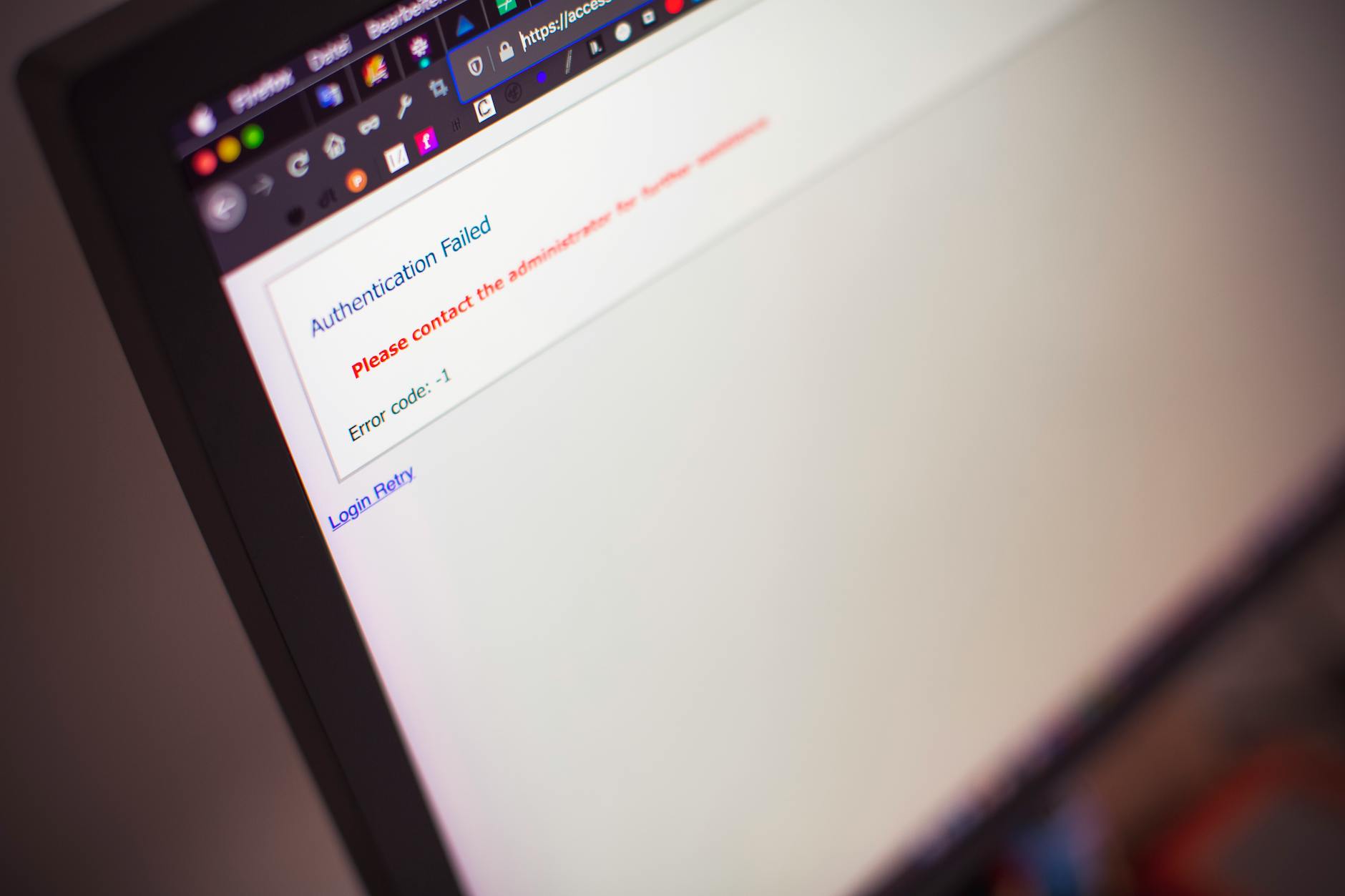
Phishing attacks account for 90% of all cybersecurity incidents, with organizations losing an average of $3.86 million annually due to these scams. These attacks often appear as legitimate communications from trusted sources, making them difficult to detect. Businesses must prioritize employee awareness and training to recognize phishing scams, such as unexpected emails, requests for personal information, or suspicious URLs.
Key Indicators of Phishing Emails
Recognizing phishing emails is crucial for maintaining business email security. Key indicators include:
- Mismatched sender addresses
- Grammatical errors
- Unexpected attachments
- Suspicious URLs
Protecting Business Email From Phishing
To mitigate risks, businesses should implement robust software solutions like Microsoft Defender for Office 365, which provides protection against malware and malicious links. Additionally, using secure browsers like Microsoft Edge with Application Guard can isolate untrusted websites, preventing data breaches.
Employee Training and Awareness
Employee training is a critical component of phishing protection. Regular training sessions can help employees recognize and report suspicious emails. Organizations should also encourage a culture of vigilance, where employees are encouraged to question unexpected requests for sensitive information.
Immediate Actions if an Employee Falls Victim
If an employee falls victim to a phishing attack, immediate action is critical:
- Report the incident to IT
- Change passwords
- Alert financial institutions
Reporting Suspicious Emails
Reporting suspicious emails through platforms like the Anti-Phishing Working Group or Microsoft's Submissions portal helps improve collective defenses. This collaborative approach ensures that the entire community benefits from the collective intelligence of reporting incidents.
Compliance with Data Protection Regulations
Compliance with regulations like GDPR and CCPA further emphasizes the need for proactive security measures to safeguard business communications. Businesses must ensure that their phishing protection measures align with these regulations to avoid legal repercussions.
Conclusion
Protecting business email from phishing requires a multi-faceted approach that includes robust software solutions, employee training, and compliance with data protection regulations. By implementing these measures, businesses can significantly reduce the risk of falling victim to phishing attacks and safeguard their sensitive information.
Looking to streamline customer communication across multiple channels? Consult with experts to map out an effective support system.
| Feature | Vendor A | Vendor B |
|---|---|---|
| Pricing | $$ | $$ |
For more insights, read our automation guide.