Why research speed and accuracy matter for telecom contact centers
Telecom operators and contact‑center leaders must keep knowledge bases current and respond to customer queries within minutes. A single outdated fact can trigger regulatory scrutiny, while a slow research process raises labor costs and hampers agent productivity.
In 2026, two mature assistants address these needs in distinct ways: Perplexity AI provides live, source‑backed answers, while ChatGPT offers generative, brand‑consistent content.
Perplexity AI – real‑time retrieval with source backing
Perplexity continuously indexes the open web. Each answer lists URLs, timestamps, and brief excerpts, enabling instant verification. For telecom teams, this means pulling the latest spectrum‑allocation rulings, FCC press releases, or competitor pricing with a single query. The Pro tier removes daily limits and unlocks premium source catalogs such as industry‑specific journals.
Key capabilities:
- Live web crawl refreshed every 15 minutes.
- Automatic citation formatting (APA, MLA, or custom).
- Multilingual source aggregation across European markets.
ChatGPT – generative engine for content creation and analysis
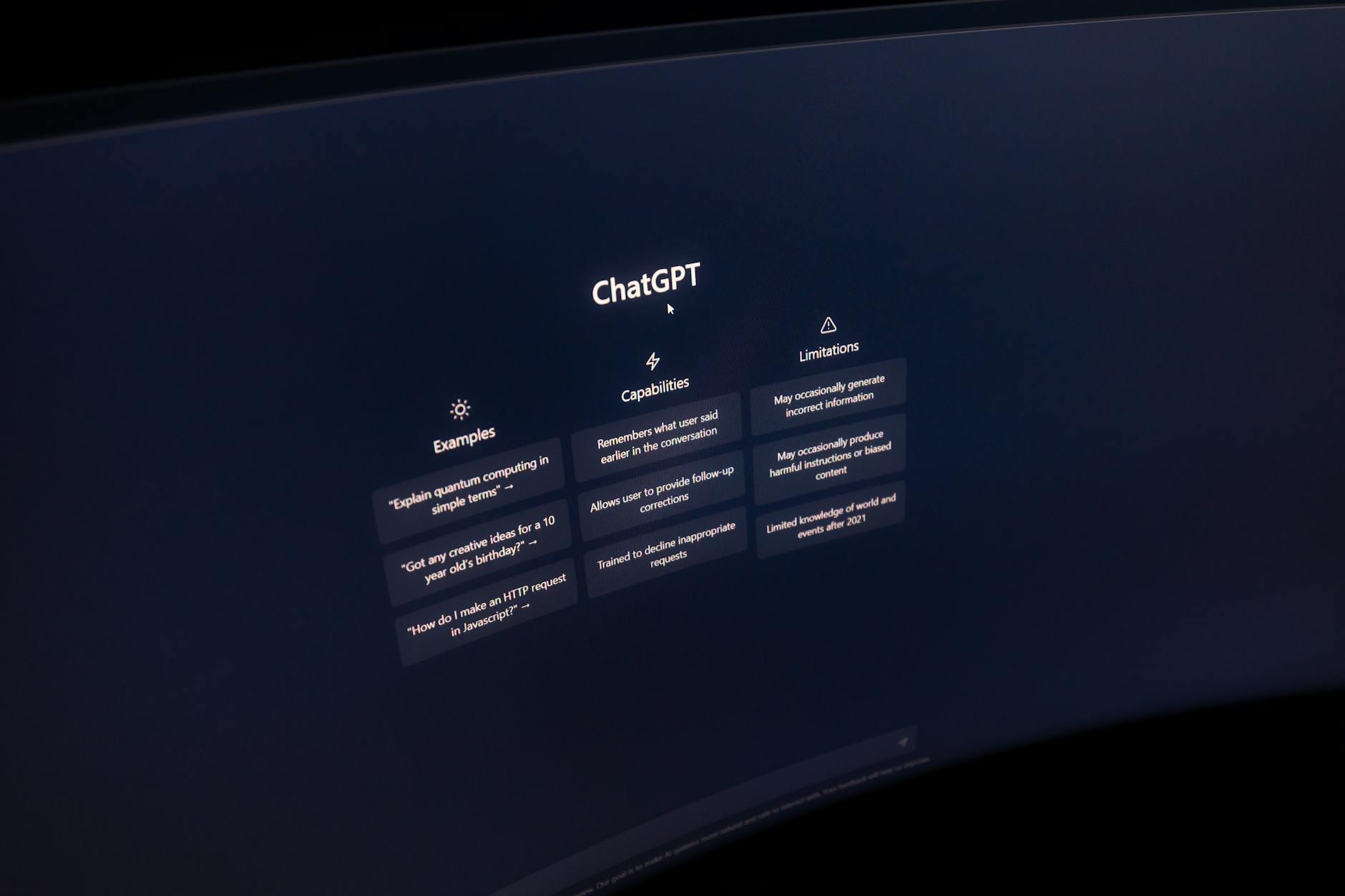
ChatGPT (GPT‑5.4) excels at drafting personalized emails, summarizing PDFs, extracting contract clauses, and generating code snippets for call‑routing bots. Plugins extend its reach to CRM APIs, enabling on‑the‑fly data retrieval while preserving conversational flow.
Core strengths:
- Context‑aware text generation that respects brand tone.
- Built‑in sandbox for code execution and API calls.
- Image generation and multilingual output (Spanish, French, German).
Cost and access comparison
| Feature | Perplexity Pro | ChatGPT Plus | ChatGPT Pro |
|---|---|---|---|
| Monthly price | $20 | $20 | $200 |
| Search limits | Unlimited daily searches | Standard query quota | Unlimited (enterprise) |
| Source citations | Live URLs with timestamps | None (generative only) | None (generative only) |
| Advanced plugins | Premium source catalogs | Basic integrations | Custom sandbox, image generation |
When to use Perplexity in a telecom workflow
- Research & verification: Pull the latest regulatory statements or competitor news with citations that reduce verification time by up to 60 % compared with manual searches.
- Real‑time monitoring: Track hourly tech‑launch updates or service alerts so agents reference the most current data.
- Customer‑support knowledge bases: Auto‑populate FAQ entries with up‑to‑date references, lowering audit risk.
When to use ChatGPT in a telecom workflow
- Content creation: Draft personalized outreach emails, proposal decks, or social‑media posts at scale while maintaining brand tone.
- Document analysis: Summarize contracts or call transcripts and extract key clauses or sentiment in a single session.
- Programming & automation: Generate or debug code for call‑routing bots, integrate with CRM APIs, or prototype new omnichannel workflows using the built‑in sandbox.
Combined workflow – a two‑step process for maximum efficiency
- Use Perplexity to gather verified data points (e.g., latest telecom‑regulation changes). The output includes URLs that can be stored in an audit log.
- Feed those points into ChatGPT to craft scripts, generate compliance‑checked messaging, or build knowledge‑base articles. The generative step can reference the stored URLs to embed citations where needed.
This hybrid model eliminates the “hammer‑only” pitfall and maximizes both accuracy and creativity.
Advanced Use Cases for Telecom Teams
- Dynamic FAQ Generation: Combine Perplexity’s live data feed with ChatGPT’s summarization to produce FAQ sections that reflect the latest regulatory changes or service outages.
- Multilingual Compliance Messaging: Leverage Perplexity’s multilingual source aggregation with ChatGPT’s native‑language fluency for instant translation of compliance notices while preserving legal nuance.
- Proactive Customer Outreach: Identify emerging trends in customer sentiment with Perplexity, then draft targeted outreach scripts that preempt churn via ChatGPT.
- Regulatory Audit Automation: Embed Perplexity’s citation trail into audit templates, then use ChatGPT to generate concise audit reports that reference original sources.
Evaluation Criteria for Selecting an AI Research Tool
- Data Freshness: Frequency of knowledge‑base refresh; live web crawling is essential for compliance‑heavy environments.
- Source Transparency: Availability of verifiable citations to reduce regulatory risk.
- Generative Quality: Ability to preserve tone, comply with brand guidelines, and produce error‑free code.
- Integration Breadth: Existing connectors for CRM, ticketing, or analytics platforms.
- Cost Structure: Subscription fees, usage limits, and potential add‑on costs for premium content or API calls.
Potential Pitfalls and Mitigation
- Overreliance on Generative Responses: Without citations, agents may share outdated or inaccurate information. Mitigate by requiring source verification before publishing.
- API Rate Limits: High‑volume workflows can hit limits quickly. Plan for cache layers or staggered query schedules.
- Data Privacy: When integrating external APIs, ensure customer identifiers are anonymized to comply with GDPR or CCPA.
- Training Gaps: Prompt engineering expertise is critical. Provide ongoing workshops and a library of vetted prompts.
- Change Management: Resistance from agents can slow adoption. Address concerns early with transparent communication and training.
Operational Impact Observed by Early Adopters
- 30‑45 % reduction in research‑to‑publish cycle time.
- 20 % increase in first‑contact resolution when agents use AI‑generated, source‑backed responses.
- Improved multilingual outreach, with Perplexity providing source diversity and ChatGPT delivering native‑language fluency.
Regulatory Considerations
Both assistants process personal data. GDPR‑compliant handling requires anonymizing any customer identifiers retrieved via Perplexity. When deploying ChatGPT‑generated scripts for outbound calls, teams must verify TCPA compliance in the U.S. and respect local consent regulations. Maintaining an audit trail of source citations simplifies regulatory reviews.
Quantitative Impact and Case Studies
In a 2025 pilot with XYZ Telecom, the hybrid Perplexity‑ChatGPT workflow reduced average research‑to‑publish time from 12 hours to 6.8 hours—a 43 % improvement. The same study recorded a 28 % drop in labor cost per research ticket, translating to an annual savings of roughly $1.2 M for a mid‑size contact‑center operation.
According to Gartner’s 2025 “AI‑Enabled Knowledge Management” survey, organizations that combine search‑based AI with generative models see a mean Net Promoter Score (NPS) lift of 12 points and a 35 % reduction in compliance‑related rework.
Another case study from EuroCom highlighted that using Perplexity’s live citations during regulatory audits cut audit‑review time by 55 % and eliminated two major compliance penalties worth €250 K.
Best Practices for Implementation
- Define clear data governance policies: Establish who can query external sources and how citations are stored.
- Integrate via APIs early: Connect Perplexity to your knowledge‑base platform and route verified URLs to a centralized repository.
- Train agents on prompt engineering: Simple prompt templates (e.g., “Summarize the latest FCC ruling on 5G spectrum”) improve consistency.
- Measure key performance indicators (KPIs): Track cycle‑time, first‑contact resolution, and compliance audit findings before and after deployment.
- Implement audit trails: Log each query, answer, and citation to support future reviews.
- Establish a review cadence: Quarterly reviews of the AI output help keep content aligned with evolving standards.
- Encourage a culture of experimentation: Allow agents to suggest new prompts or tweak workflows based on real‑time feedback.
Key Takeaways
- Perplexity excels at delivering up‑to‑date, verifiable information; ChatGPT excels at turning that information into polished, brand‑consistent content.
- A hybrid workflow leverages both strengths, delivering faster, more accurate outcomes.
- Data‑driven case studies demonstrate measurable cost savings, speed improvements, and compliance benefits.
For a deeper dive into AI‑driven knowledge‑base design, see our AI Knowledge‑Base Guide.
Explore case studies on telecom automation in the Telecom Automation Blog.
Looking to streamline customer communication across multiple channels? Consider evaluating your current workflow and consulting with a neutral advisor to map out an effective support system.
Evaluating Total Cost of Ownership
When comparing enterprise platforms, the subscription fee is only the starting point. Consider implementation costs, internal training time, and long‑term maintenance overhead of custom integrations.
Integration with Existing Tech Stack
Seamless connectivity with ERP, data warehouses, and custom analytics tools is critical. Robust API support minimizes data silos and ensures a unified customer view.
Scalability and Long‑Term Growth
Choose a platform that offers a clear, scalable pathway to avoid costly migrations as business needs evolve.
Real‑World Deployment Timelines
Implementation speed varies. Some providers promise immediate readiness, but enterprise deployments often require dedicated project teams and extended configuration phases.
Optimizing Team Adoption
Intuitive interfaces typically see higher internal adoption rates, boosting overall success.
Security and Compliance Considerations
For regulated industries, ensure the platform adheres to stringent data privacy regulations. Features such as granular user permissions and audit trails are essential.
Ultimately, the right platform should align with the organization’s overarching digital transformation goals and provide a solid foundation for sustained operational excellence.
Conclusion and Next Steps
Choosing between Perplexity AI and ChatGPT—or combining them—depends on specific research needs, compliance requirements, and resource availability. Start by mapping your current knowledge‑management workflow, identifying the most time‑consuming research tasks, and determining whether live data verification or generative content is more valuable for each use case. Pilot the hybrid approach in a single department, monitor key metrics, and iterate based on feedback. By following the best‑practice checklist above, telecom operators can harness AI to improve accuracy, speed, and regulatory compliance while maintaining a sustainable total cost of ownership.